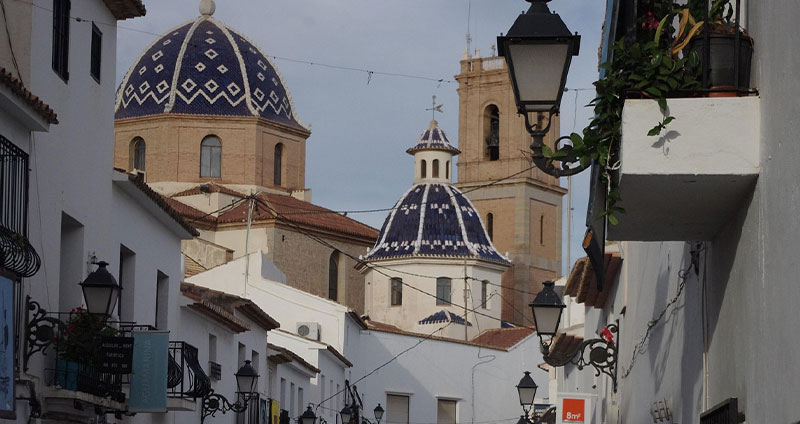
When I first walked through the cobblestone streets of Altea’s old town, besides the sight of whitewashed houses and the blue-domed church, something else captivated me. Small shops, terraces where local producers offered their goods – wine bottles with handwritten labels, olive oil bottles that shimmered in the Andalusian sunlight like liquid gold. Since then I know: Altea is famous not only for its beauty but also for the culinary treasures it has preserved for centuries.
Altea – where the sea meets the mountains
Before diving into the world of wines and olive oil, it’s worth getting to know Altea, this special Costa Blanca town. Altea’s name probably comes from the Arabic word “Althaya,” which means “health” – and indeed, anyone who has been here understands why the Moors also felt this place had healing power.
The city’s history goes back thousands of years. Archaeological findings testify that the Iberians already inhabited this area, then the Romans, and later the Moors. Between the 8th and 13th centuries, the region was under Arab rule, and this period had a huge impact on local agriculture, especially olive oil production.
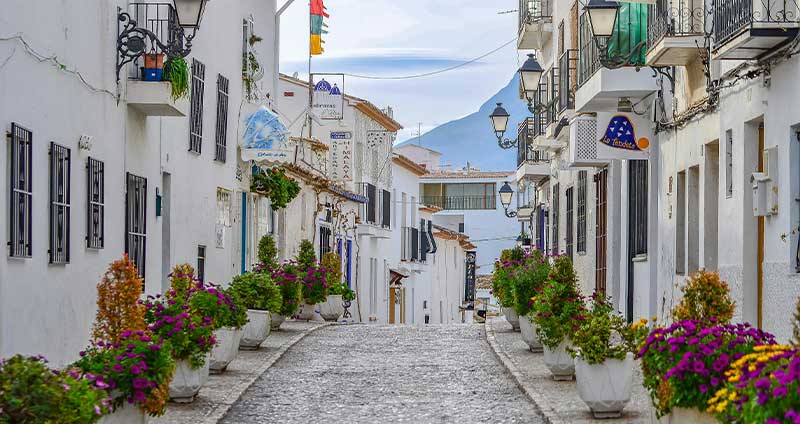
The Moors were the ones who perfected irrigation systems, introduced new olive varieties, and created a system of terraced gardens on the hillsides that are still used today. When King James II of Aragon recaptured the territory for the Christian kingdom in 1244, local agricultural traditions were already deeply rooted.
In the 17th-18th centuries, Altea flourished again. Vineyards and olive groves covered increasingly larger areas, and the reputation of local wines and olive oil spread throughout the region. In the 19th century, although the phylloxera epidemic severely affected the vineyards, Altea’s farmers rebuilt them, armed with new varieties and new knowledge.
Olive oil – Altea’s liquid gold
Millennia-old tradition
Olive oil is the foundation of Mediterranean culture, and in Altea, this is especially true. The surrounding hillsides are full of olive trees – some of them hundreds of years old. When you climb up to the foot of Serra de Bernia or walk through the Algar river valley, these silver-leaved, twisted-trunk trees accompany you everywhere.
Traditional Altea olive oil production is a family business. Small plots passed down through generations from father to son, mother to daughter. These aren’t industrial plantations – these are lovingly tended gardens where every tree is known by name.
Altea’s olive varieties
Several olive varieties are native to the region, each producing oil with a different character:
Blanqueta – this is the most characteristic Valencian olive variety. Small, round berries that remain light-colored when ripe (hence the name – “little white”). The oil made from it is soft, mild, slightly almond-flavored. Perfect for salads, fish dishes, or even just drizzled on a piece of fresh bread – a fantastic experience.
Alfafarenca – this is an ancient variety that was already known during Moorish times. Larger berries with more intense aroma. The oil has a stronger character, with fruity notes and a slightly tart aftertaste. A favorite of true olive oil enthusiasts.
Villalonga – a local specialty that only grows in small quantities. The oil made from this is greenish in color, intensely fragrant, slightly spicy – this indicates high polyphenol content, which is also valuable from a health perspective.
How is traditional olive oil made?
From October to December is the harvest – the “recogida” period. Families go out together to the plantations, spread nets under the trees, and either by hand or with special rakes “comb” the olives off the branches. This is slow, physical work, but most small producers stick to this method because the fruits don’t get damaged this way.
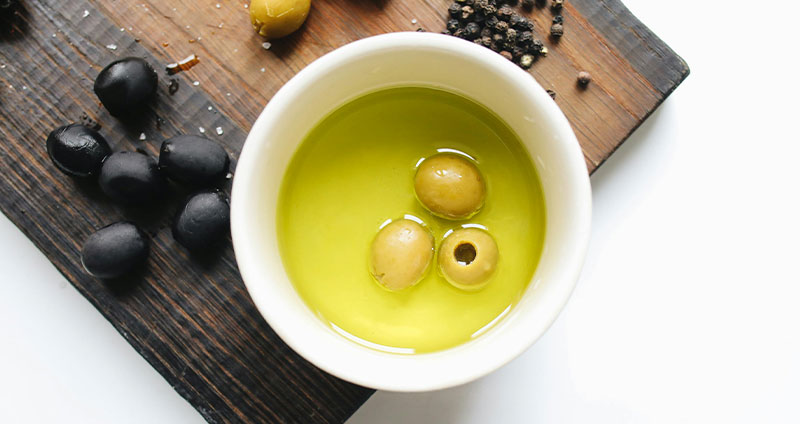
On the same day, or at the latest the next day, the berries are taken to the oil press. The traditional “almazara” – oil mill – around Altea is a place where time has stood still. Huge stone mill wheels that have been turning for centuries, and the air is filled with the sweet, spicy scent of olives.
Modern technology has of course seeped in – today stainless steel containers are used, working with temperature control. But the basic principle is the same: cold-pressed, virgin olive oil, “aceite de oliva virgen extra” – the absolute best quality.
What should you know when buying olive oil?
If you’re in Altea and want to buy olive oil, some advice:
Always choose oil labeled “extra virgen” or “virgen extra” – this represents the highest quality, cold-pressed, with acidity max. 0.8%.
Taste it! Most local producers and market vendors are happy to offer their oil for tasting. Good olive oil is slightly pungent in the throat (this is the effect of polyphenols), has a fruity aroma, and may have some bitterness – these are all signs of quality.
Check the harvest year – fresh olive oil is best. Look for the current year’s or at most the previous year’s harvest.
In dark glass or metal containers – olive oil is light-sensitive, so good producers always sell it in protected packaging.
Price – a real, small-producer, extra virgin olive oil cannot be cheap. If it’s too cheap, it’s probably blended or industrial product.
Where can you buy?
Altea Market Hall – every Thursday there’s a local market where producers from the surrounding area sell. Here you can meet farmers who bring oil from their own plantations.
L’Alfàs del Pi Monday market – a few kilometers from Altea, but worth it! Huge market with lots of local products.
Small family shops in the old town – walk through the streets and look for places that sell products from local producers. The owners are happy to talk about their oils.
Directly from the producer – some “almazara” can be visited, and you can buy on-site. One of the best known is located in nearby Callosa d’en Sarrià.
The wines – Altea’s vineyards
The history of wine culture
Grapes were already important in this area in ancient times, but they really spread after the Christian reconquest, in the 13th-15th centuries. Wines from around Valencia were known throughout Europe in the Middle Ages – especially sweet wines, which were even exported to England.
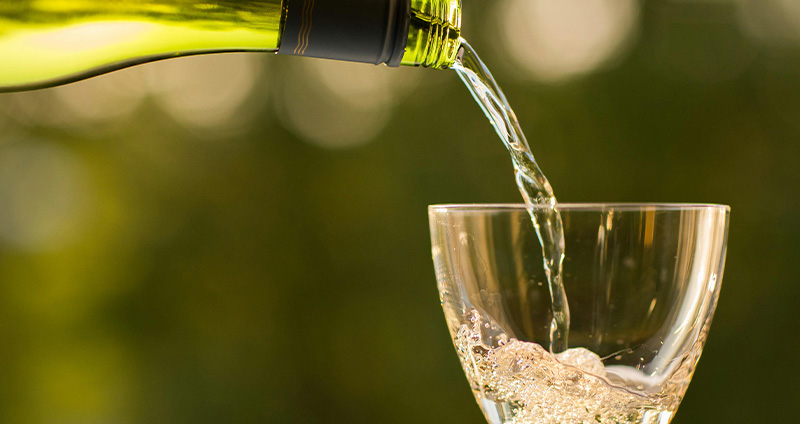
Altea’s climatic conditions are ideal for viticulture. The Mediterranean climate – hot, dry summers, mild winters – and the limestone soil of the hillsides produce wines with special character. The sea breeze that constantly flows through the vineyards gives freshness to the wines.
Moscatel – Altea’s sweet treasure
If I had to highlight just one wine variety from around Altea, it would undoubtedly be Moscatel (Muscat). This grape variety has been known in the region since the 13th century, and the moscatel wines produced here are exceptionally aromatic and intense.
The Moscatel grape grows in small, compact clusters and can accumulate incredible sugar content in the ripe berries. The wines made from it are typically sweet or semi-sweet – perfect for dessert, but wonderful on their own, well chilled.
Taste and aroma: Moscatel wines have a characteristic floral, honeyed, ripe fruity aroma. You can sense orange blossom, peach, honey, sometimes a little spice – cinnamon or clove. In the mouth, they’re silky, sweetish, but never obtrusively sweet.
How is it made? To make traditional moscatel wine, the grapes are picked in late harvest, sometimes already botrytized. Some producers use the “soleo” technique – when after picking, the clusters are still laid out in the sun to further concentrate the sugar. During fermentation, they either stop the fermentation (by adding brandy) or let it ferment completely, then sweeten it later.
When to drink it? Moscatel wine should be consumed well chilled, at 8-10 degrees Celsius. Perfect pairings: almond pastries (turrón!), creamy desserts, aged cheeses (especially blue cheeses), or even with foie gras – fantastic.
Dry wines – modern Altea
Although sweet wines dominate in history, in recent decades more and more people have started making dry wines too. These wines are modern in style and can hold their own at an international level.
White wines: Macabeo (locally called Macabeu) is the most common white grape variety. Light, fresh, citrusy wines are made from it. Perfect with seafood – grilled fish, prawns, calamares – a wonderful pairing.
Malvasia is an ancient Mediterranean variety, producing aromatic, full-bodied white wines. Floral, fruity, with a slightly oily texture.
Red wines: Monastrell (French name Mourvèdre) is the king of red grapes in the Valencia region. Strong, full-bodied, tannic wines are made from it. Characterized by dark fruits – plum, blackcurrant – sometimes with a hint of spice and leather.
Bobal is a local specialty that produces intensely colored wines rich in acidity.
Rosé wines
Spanish “rosado” wines are increasingly popular, and excellent ones are also made around Altea. These wines aren’t sweetish but dry, fresh, with stone fruit flavors. A perfect summer wine that’s also a great choice with paella.
DO Valencia – the quality marker
When buying wine, look for the DO Valencia (Denominación de Origen) designation. This guarantees that the wine is made from grapes grown in the Valencia region and meets strict quality requirements. This is a kind of quality protection, similar to the French AOC or Italian DOC system.
Where can you taste and buy wine?
Visiting Bodegas (wineries): Around Altea, several smaller wineries welcome visitors. These are usually family businesses where, after prior registration, they show you around, explain the winemaking process, and of course, you can taste.
Vinotecas (wine specialty shops): In Altea’s old town, there are several small wine shops with a wide selection. The owners are usually passionate wine enthusiasts who are happy to talk and recommend.
Restaurants: A good restaurant’s wine list always reflects the region’s treasures. Ask for local wine – moscatel, for example, can be found in almost every restaurant.
Markets: At local markets, you often meet producers selling their own wines. This is a great opportunity to talk directly with them and learn the wine’s story.
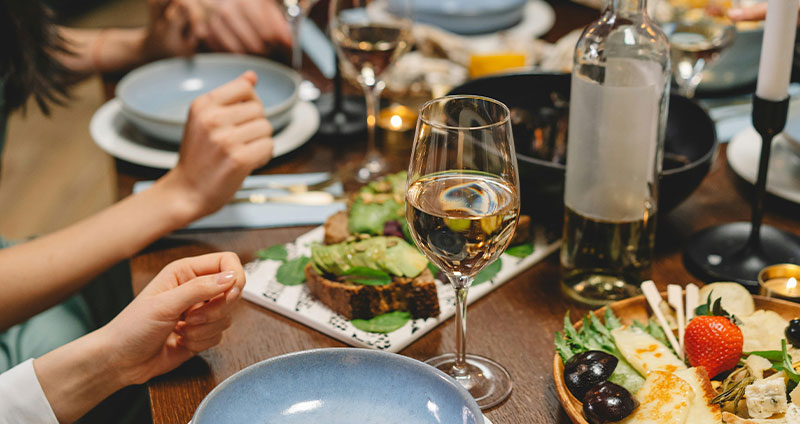
How to pair Altea’s wines and olive oil?
Classic Valencian pairings:
Paella + Rosé wine – for paella’s combination of rice, fish, seafood, and saffron, a fresh, dry rosé is the perfect choice.
Arroz a banda + White wine – this fishless rice cooked in fish stock calls for a light macabeo wine.
Grilled fish + Extra virgin olive oil + White wine – freshly caught fish, grilled crispy, drizzled with a drop of good olive oil, and a glass of cold white wine. There’s no more Valencian combination than this.
Turrón + Moscatel – the Christmas almond sweet and sweet moscatel wine are a heavenly pairing.
Bread + Tomato + Olive oil – the simplicity of “pa amb tomàquet” is deceptive. Good bread, fresh tomato, quality olive oil – this is the perfect breakfast or snack.
Shopping tips and prices
Olive oil: The price of one liter of good quality, extra virgin, local olive oil ranges between 10-20 euros. Specially small-batch, artisan oils can ask for 25-30 euros.
Wines: A bottle of local moscatel wine costs 8-15 euros. Dry wines range from 6-20 euros, depending on quality and vintage.
Storage: Store olive oil in a dark, cool place, tightly sealed. Use within 2-3 months after opening. Store wine lying down, in a cool place, protected from light. Store moscatel in the refrigerator after opening and consume within a few days.
Closing thoughts – why are these products special?
When you buy a bottle of Altea olive oil or a bottle of local moscatel, you’re not just taking home a product. A piece of history, culture, family tradition. These wines and oils aren’t industrial products – they’re the fruits of the labor of people who have been working on the same land for generations, tending the same trees, pruning the same vines.
When you unscrew the bottle cap and smell the fresh, fruity aroma of olive oil, or when you taste the moscatel and feel the warmth of the Mediterranean sun – for a moment you can become part of this ancient culture.
Altea doesn’t just offer beautiful views and white houses. It offers the noblest treasures of the Mediterranean – olive oil and wine, which are made here with love, knowledge, and pride, in the heart of the Costa Blanca.
¡Salud y buen provecho! – To your health and bon appétit!
For more Costa Blanca tips, follow us on Pinterest! 🧡